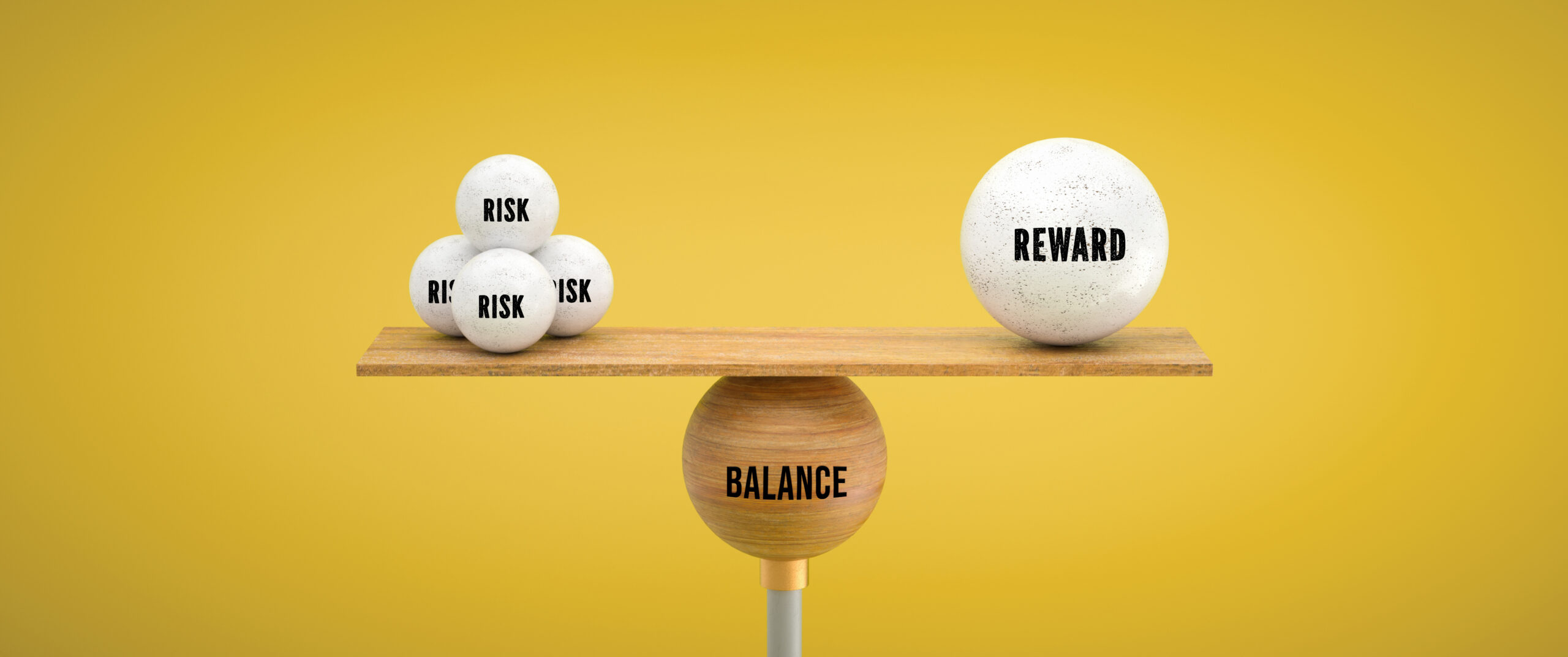
Risk and reward are concepts that I think about every day. Whether I am running a business, trading stocks, or making personal decisions, I constantly weigh the potential benefits against the possible downsides. Learning how to manage this balance effectively has been critical to my success in entrepreneurship and investing, and it has also made me more deliberate in how I approach life. I often compare it to riding a motorcycle or driving a high-performance car. You cannot simply slam the throttle and hope for the best. You need control, judgment, and a clear understanding of the road ahead.
Understanding the Risks
The first step in managing risk is understanding it. In business, every decision carries some level of uncertainty. Launching a new product, expanding into a new market, or hiring key personnel all involve risks that can impact the outcome. I have learned that successful entrepreneurs do not avoid risk; they embrace it with knowledge and preparation.
In investing, understanding risk is equally important. No stock or asset is guaranteed to perform as expected. I spend time analyzing market trends, company fundamentals, and economic indicators before committing capital. This careful approach allows me to make informed decisions while minimizing unnecessary exposure. Recognizing and understanding the potential downside is the foundation of responsible risk management.
Measuring the Reward
Risk without reward is not worth taking, and reward without risk is rare. In business, reward often comes in the form of growth, profitability, or market share. In investments, it is financial return. Understanding what is at stake helps guide decisions and ensures that the risks you take are proportionate to the potential benefits.
I approach both business and investing with a mindset of strategic opportunity. Every move I make is intended to maximize the upside while limiting exposure to unnecessary loss. This does not mean avoiding bold decisions, but it does mean evaluating them carefully, planning for contingencies, and being prepared for any outcome.
The Importance of Planning
Planning is essential for balancing risk and reward. In business, I map out strategies, set clear objectives, and identify potential obstacles before taking action. I consider what could go wrong, what resources are needed, and how to mitigate challenges. This level of planning increases the likelihood of achieving positive outcomes and reduces the chance of being blindsided by unexpected problems.
In investing, planning involves setting goals, defining entry and exit points, and establishing risk tolerance. Discipline in following a well-thought-out plan is what separates successful investors from those who react impulsively to market fluctuations. The same principle applies to life. Planning allows you to pursue opportunities with confidence and minimize regrets later.
Adaptability and Flexibility
No plan is perfect, and unexpected events will always arise. In business and investments, the ability to adapt is just as important as the initial strategy. I have learned that maintaining flexibility allows me to respond to changes without panicking. Whether it is a sudden market downturn, a supply chain disruption, or a personal setback, adaptability ensures that risk remains manageable and that opportunities can still be pursued.
Balancing the throttle requires awareness and responsiveness. On a motorcycle, adjusting speed and handling based on road conditions keeps you safe while still allowing for speed and excitement. In life, being able to pivot when circumstances change allows you to continue moving forward toward your goals.
Emotional Control
Managing risk also requires emotional control. Fear can prevent you from taking opportunities that have the potential for significant reward, while overconfidence can lead to reckless decisions. I have found that keeping emotions in check and making decisions based on analysis and strategy rather than impulse has been crucial in both business and investing. Emotional discipline allows you to navigate uncertainty calmly and make choices that align with long-term objectives.
Applying Lessons to Life
Balancing risk and reward is not limited to business and investing. Life is full of choices that involve uncertainty. Whether it is making a career move, pursuing a passion project, or managing personal finances, the principles remain the same. Understand the risks, evaluate the rewards, plan carefully, stay adaptable, and maintain control over your emotions. This approach allows you to take calculated risks that can lead to meaningful growth and fulfillment.
Conclusion
Managing risk and reward is a continuous process that requires focus, discipline, and judgment. In business, it helps you make smarter strategic decisions. In investing, it allows you to protect capital while seeking growth. In life, it enables you to pursue opportunities without unnecessary fear.
Balancing the throttle is about understanding the road ahead, respecting the power of your decisions, and taking control without overextending yourself. By applying these principles, I have been able to navigate challenges, seize opportunities, and maintain a steady trajectory toward my goals. Whether on a motorcycle, in a boardroom, or managing investments, the lessons of risk and reward are universal, and mastering them is essential for success.