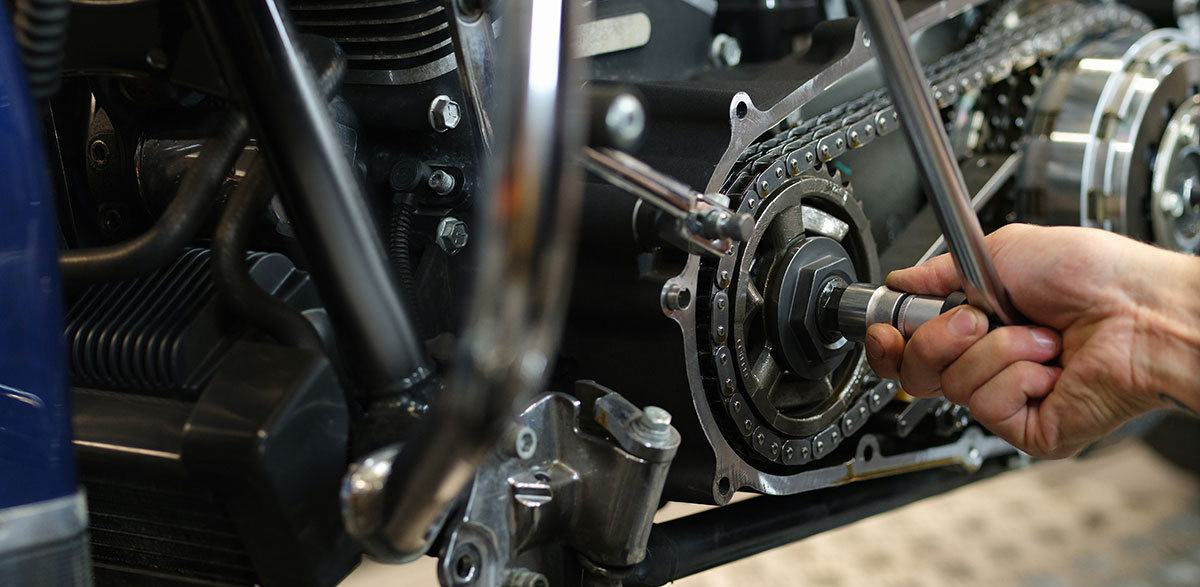
Cars and motorcycles have always been more than a hobby for me. They are a passion that fuels creativity, problem-solving, and innovation. Over the years, I have discovered that the same principles that make working on vehicles exciting and rewarding can also be applied to entrepreneurship. Hobbies are not just a way to spend free time; they are a training ground for skills that can be transformed into profitable ventures. The lessons I have learned from automotive hobbies have shaped the way I approach business, investments, and opportunity.
Passion as a Starting Point
The first lesson I have learned is that passion is the foundation of great ideas. When you love what you do, you naturally spend more time learning, experimenting, and improving. For me, working on motorcycles and cars started as a personal interest, but it quickly became clear that there were opportunities to share that knowledge and skill with others.
Entrepreneurs who start with what they are passionate about have an advantage. Passion provides motivation, perseverance, and attention to detail. It allows you to notice problems or inefficiencies that others might overlook and inspires the creativity needed to develop solutions that people value.
Identifying Opportunities Through Experience
Hobbies provide a unique perspective on markets and consumer needs. While working on vehicles, I noticed common challenges that enthusiasts faced, such as sourcing parts, improving performance, or customizing designs. These observations led to business ideas. Entrepreneurs who leverage their personal experience can identify gaps and create products or services that directly address real problems.
Experience-based opportunities are powerful because they are grounded in reality. When you understand the needs and desires of your audience firsthand, you are better positioned to offer solutions that truly resonate. Automotive hobbies have taught me to pay attention to the details, anticipate challenges, and think creatively about how to meet those needs.
Skills and Knowledge as Business Assets
Hobbies also allow you to develop skills that can be turned into marketable expertise. Working on cars and motorcycles taught me mechanical skills, problem-solving techniques, and the ability to troubleshoot under pressure. These skills became the foundation for offering services, consulting, or creating products that others find valuable.
Entrepreneurs can leverage their hobbies by transforming specialized knowledge into services, educational content, or unique products. The more expertise you develop, the more credibility you build in your niche market, which is essential for gaining trust and attracting customers.
Networking and Community
Automotive hobbies also create opportunities to connect with like-minded individuals. Car shows, motorcycle clubs, and online forums are all places where enthusiasts share knowledge, experiences, and opportunities. Networking within these communities can open doors for partnerships, collaborations, and business ventures.
Building a network around your passion allows you to receive feedback, test ideas, and gain exposure to potential customers or investors. Communities of shared interest are not just supportive; they are a source of insight and growth for anyone looking to turn a hobby into a business.
Patience and Persistence
Turning a hobby into a profitable venture requires patience and persistence. Automotive projects are rarely completed overnight. Engine rebuilds, customizations, and restorations all take time, effort, and careful planning. These same qualities are essential for entrepreneurship.
Business success is rarely instant. The ability to stay committed, adapt to challenges, and continuously refine your approach is what separates successful entrepreneurs from those who give up too soon. My experience with vehicles has taught me that persistence pays off and that steady effort leads to lasting results.
Turning Passion into Profit
To turn a hobby into a profitable business, it is essential to combine passion with strategy. Understanding market demand, identifying competitors, and planning for growth ensures that your efforts generate value. For me, this meant not only applying technical skills but also thinking about branding, customer experience, and revenue models.
Entrepreneurs who maintain this balance are able to pursue what they love while creating sustainable businesses. Passion drives innovation and commitment, while strategy ensures that your work reaches an audience and generates profit.
Conclusion
Automotive hobbies have taught me lessons that go far beyond the garage. They have shown me the importance of passion, experience, skill development, community, patience, and strategic thinking. These lessons are directly applicable to entrepreneurship. Turning a hobby into a business is about recognizing opportunities, leveraging knowledge, building credibility, and staying persistent in the face of challenges.
For anyone looking to turn their interests into a profitable venture, I encourage you to start with what you love. Pay attention to the problems you encounter, the gaps you notice, and the ways your skills can create value for others. Combine your enthusiasm with planning, research, and strategy, and you can transform a personal passion into a thriving enterprise.
Cars and motorcycles have provided me with more than enjoyment; they have given me the insight, discipline, and perspective needed to succeed in business. The journey from engine to enterprise is not always easy, but it is deeply rewarding. By embracing your passions, learning from your experiences, and applying what you know in creative ways, you can create ventures that are both profitable and personally fulfilling.